Douro

A land of indisputable universal value

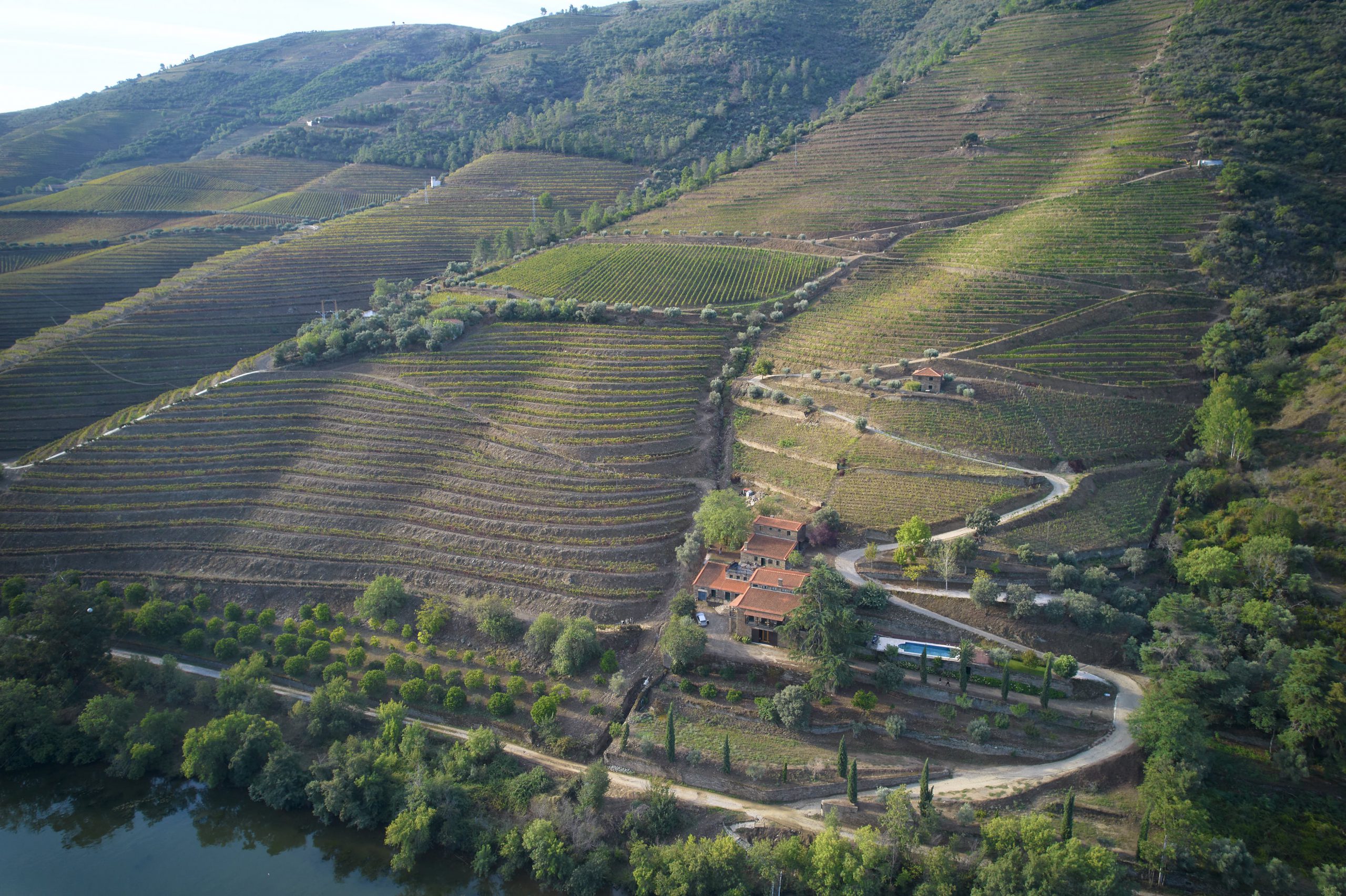
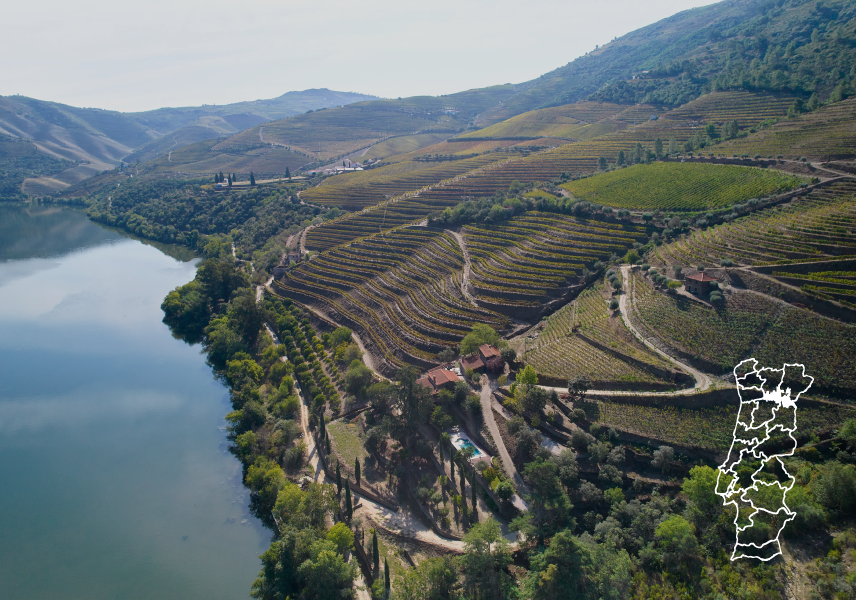
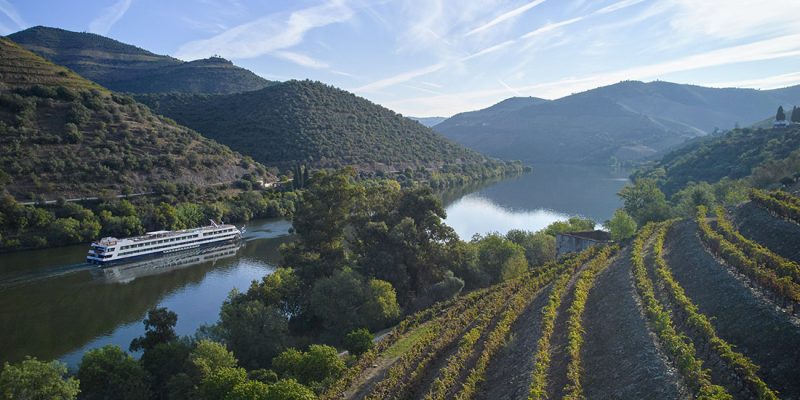
The Demarcated Region of Douro extends along the Douro River and its tributaries over an area of approximately 250,000 hectares between Barqueiros and Barca d’Alva. This region originates from the territorial delimitation of 1756, the date of the first demarcation of the ‘Vines of Alto Douro,’ which globally defined the first institutional model for organizing a wine region. Originally established to regulate the production of fortified wine, known as ‘Port wine,’ today the Demarcated Region of Douro encompasses the Controlled Designation of Origin for Port and Douro wines. It is divided into three sub-regions: Baixo Corgo, Cima Corgo, and Douro Superior.

Wine production in this region is a testament to human determination and resourcefulness. The vineyards were planted in a terrain marked by steep slopes and a scarcity of soil and water. The vines that cover the hillsides rise from the Douro River and form an immense staircase of terraces, which, in the words of Orlando Ribeiro, is the most admirable human work one can see in Portugal.

A land of stark contrasts, the Douro is marked by the schistous mountains of Marão and Montemuro, which protect it from Atlantic winds while opening it up to Mediterranean and continental influences. The Douro River and its tributaries, flowing through deep valleys, create a landscape characterized by significant temperature variations, with very hot summers and harsh winters.

The monumentality of the Alto Douro Vinhateiro landscape has universal value. In 2001, it was inscribed on the UNESCO World Heritage List.

douro-01

The Douro and Port Wine

A story written by time
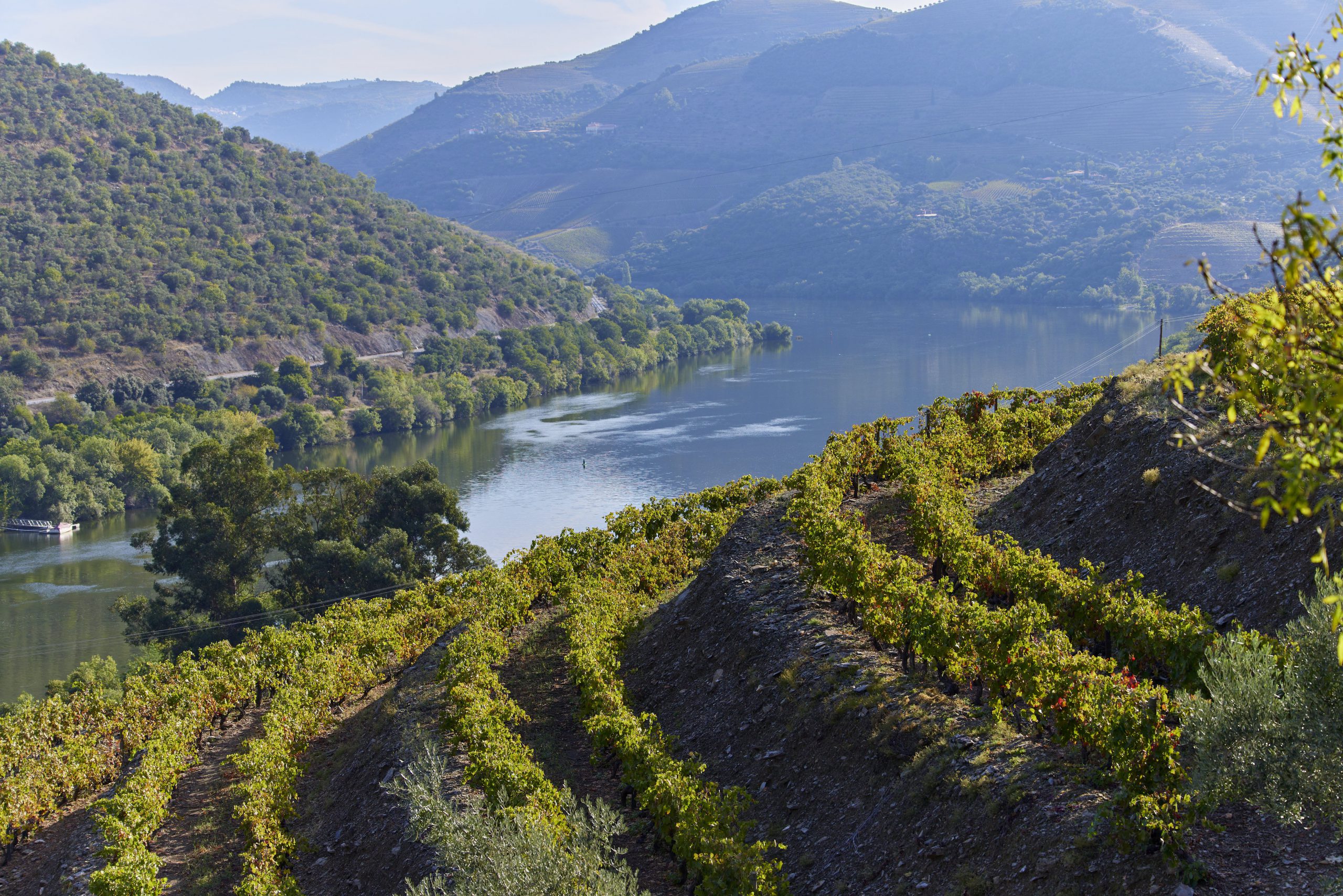
For nearly two millennia, an exceptional wine has been crafted on the schist slopes of the Douro Valley. More than a gift of nature, Port Wine is, at its core, a historical legacy—a collective cultural heritage of labor and experience, knowledge and art, accumulated by generations. With different styles and consumption moments, it is an undeniable symbol of the Douro and Portugal, internationally recognized among the finest wines in the world.

Falua in the Douro

A geological poem

Most of Falua’s vineyards are located in the Baixo and Cima Corgo sub-regions, in prime locations. These vineyards are known for their terraced planting, which requires challenging mountain viticulture, entirely manual, dedicated to producing highly exclusive and high-quality wines.

Quinta de São José

Excellence crafted by the purity of a unique terroir
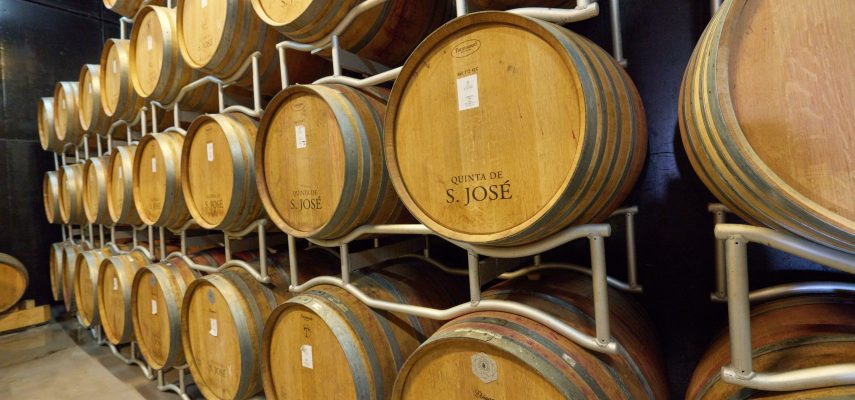
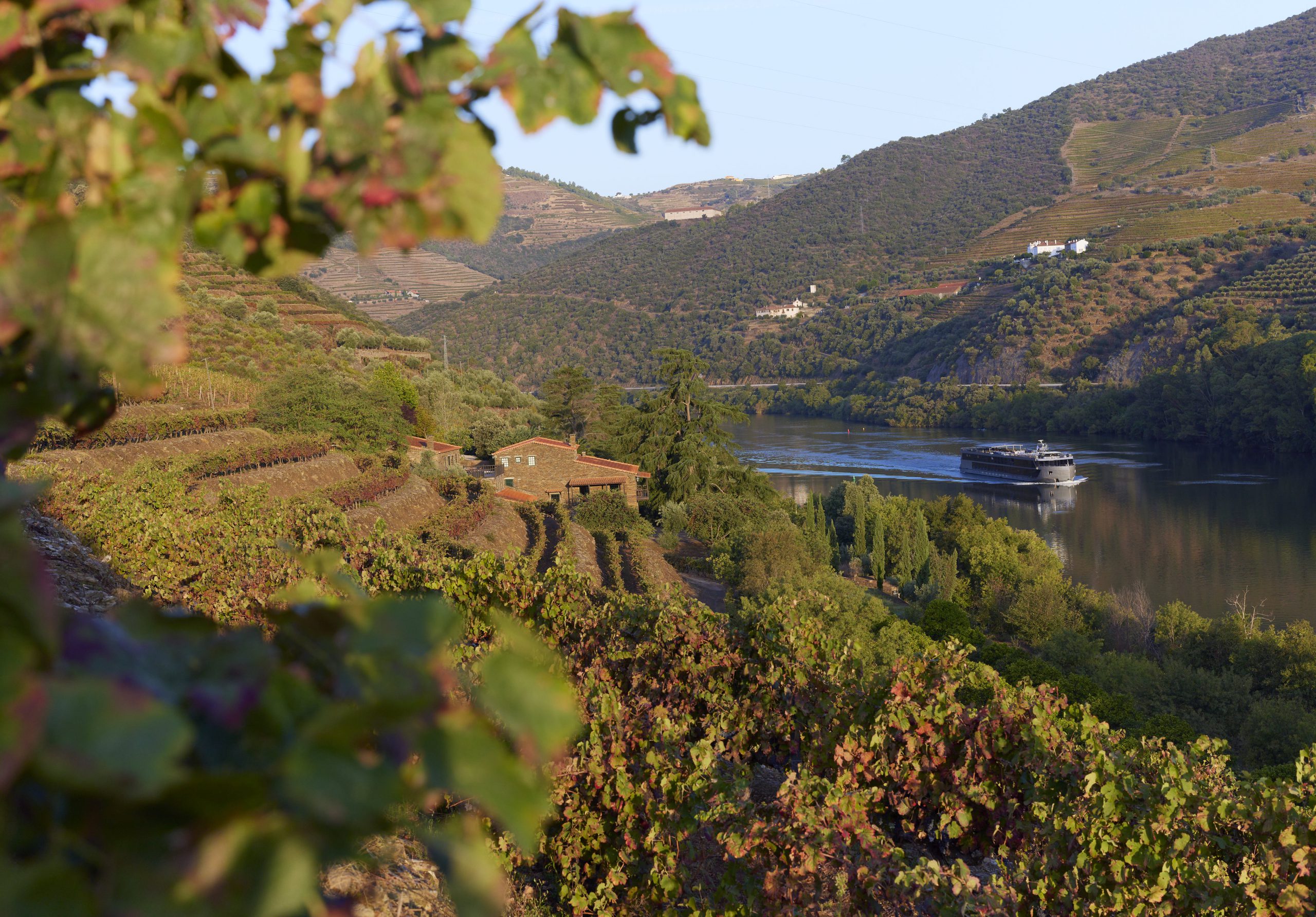
Situated on the banks of the Douro River, among ancient terraces, is Quinta de São José, located in Ervedosa, São João da Pesqueira municipality, in the Cima Corgo sub-region. With 15 hectares of vineyards planted in terraces, facing north, on bluish-gray schist soils, it is the stage for the creation of some of the most exciting Douro wines, marked by the purity of a meticulously interpreted terroir, with high national and international recognition.
QUINTA SAN JOSE
2V3A8949-BD_douro_04

The Winery

The perfect blend of tradition and modernity
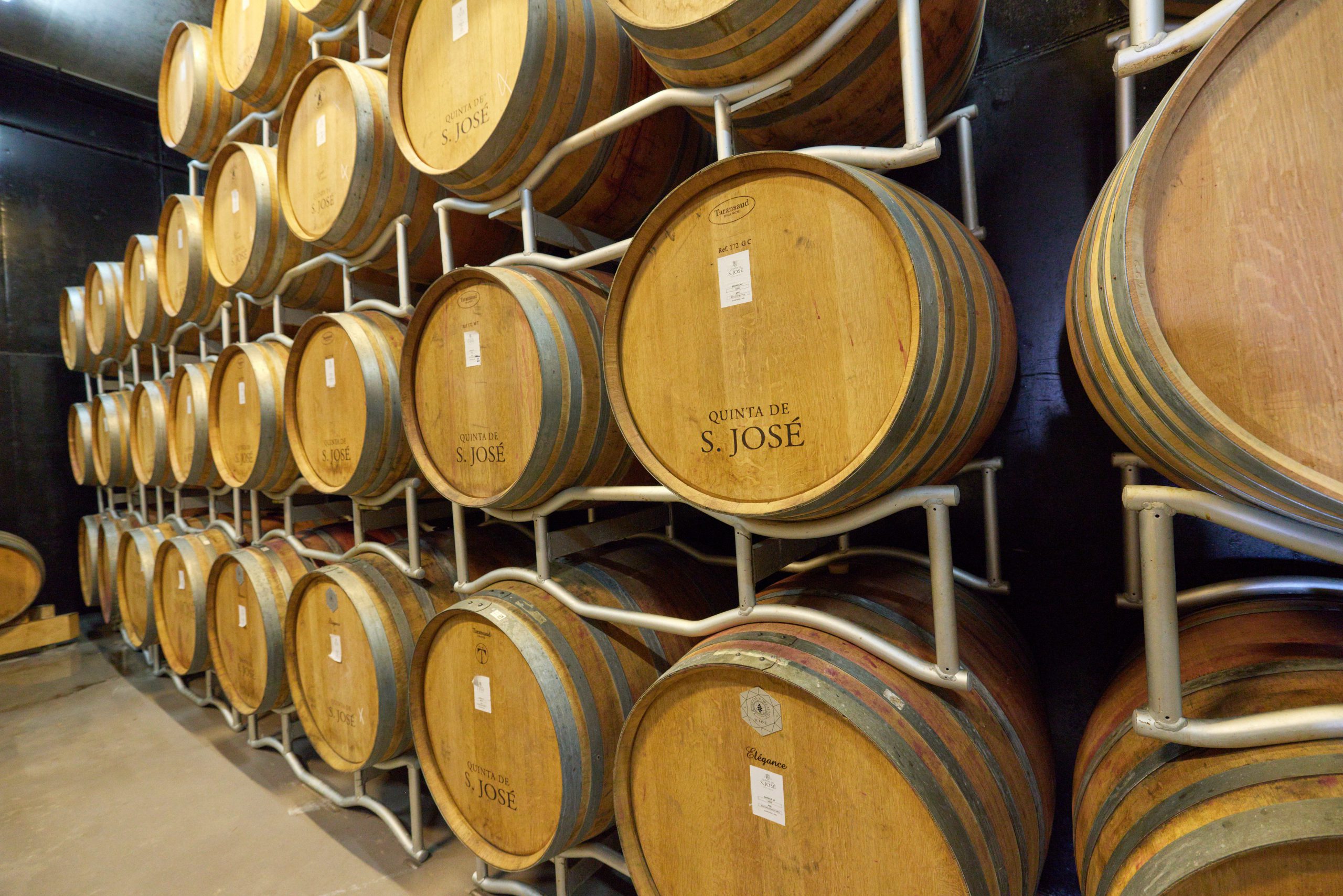
The place where the tradition of lagares intersects with the latest production methods. The winery provides all the conditions to create unique wines, blending tradition and modernity, carrying the essence of the Douro in every bottle.

Wine Tourism

The douro revealed by those who know it best
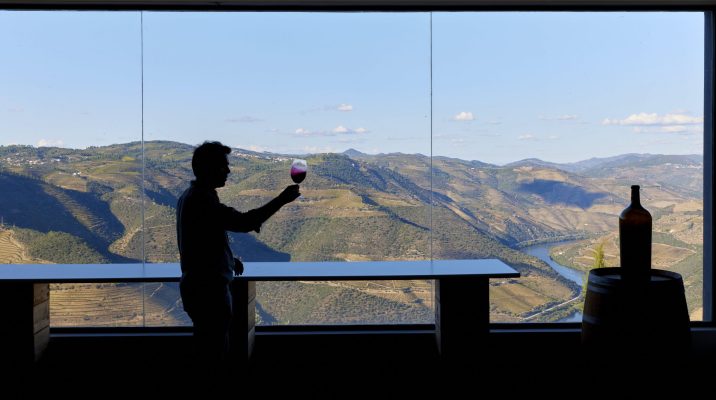
Discover the Douro region through the eyes of those who work its lands and cultivate its flavors—a truly unforgettable experience. Quinta de São José welcomes all who wish to uncover the secrets of this unique region. With wine tastings, wine-pairing lunches featuring local cuisine, and tours of the winery and vineyards, the offerings are as rich as the place itself.

Douro wines

Wines that tell the story of a region

Quinta de São José

Purity of a terroir interpreted in detail

In vineyards planted on terraces, facing north, on bluish-gray schist soils, some of the most exciting Douro wines are born, marked by the purity of meticulously interpreted terroir.